
Etihad ends summer with seat load factor above 88%
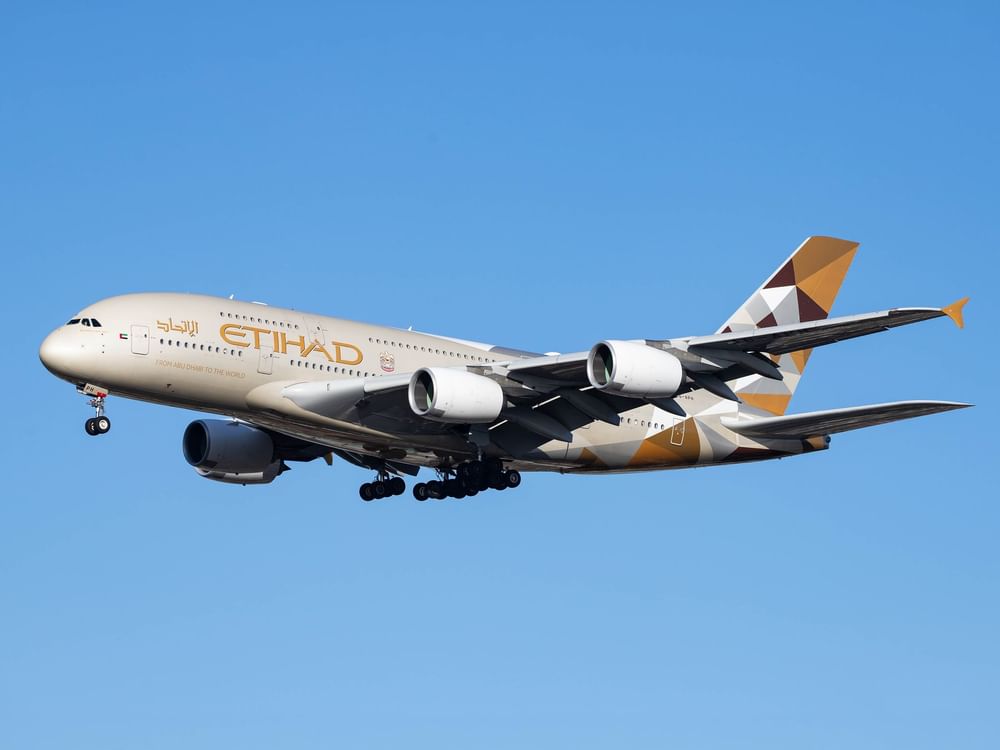
Etihad Airways reported a summer seat load factor exceeding 88%, boosted by a roughly 15% rise in capacity as new aircraft join the Abu Dhabi‑based carrier's fleet.
Strong summer demand as Abu Dhabi carrier expands capacity and fleet
Etihad Airways, the Abu Dhabi-based national carrier, closed the summer season with a seat load factor above 88 percent, the airline said, with the figure reaching 92 percent in August. The performance underlines sustained travel demand as Etihad increases capacity and grows its fleet.
Speaking to the Emirates News Agency (WAM) on the sidelines of the Arabian Travel Market, Majed Al Marzouqi, Chief Operations and Guest Officer at Etihad Airways, said the carrier lifted available seat capacity by around 15 percent compared with last year. Further growth is expected as additional aircraft are delivered and new destinations are introduced.
Etihad anticipates its fleet will reach 130 aircraft by the end of the year following the arrival of roughly 15 new aeroplanes. The airline’s medium‑ and long‑term strategy targets a fleet of more than 200 aircraft by 2030, a plan that will include Airbus A321LR and A350 types alongside other models to support network expansion.
The airline has outlined substantial investment in both aircraft and the passenger experience. Over the next decade Etihad plans to invest about US$20 billion in new aircraft and guest enhancements, including approximately US$1 billion allocated to retrofit its existing fleet.
At Arabian Travel Market Etihad is presenting new cabin products. The carrier showcased the Airbus A321LR experience and unveiled an all‑new Airbus A330 cabin for the first time at the exhibition. The A330s will enter service from September 2027, with 15 aircraft due to join the fleet over five years. The new A330 configuration will offer three cabin classes: four First suites, 24 Business seats and 252 Economy seats, enabling greater flexibility on high‑demand routes across Europe, Asia and the Middle East.
Those fleet changes are intended to support Etihad’s regional and medium‑haul network, complementing its long‑haul operations and helping the carrier manage peak seasonal loads. The combination of increased capacity and a rising load factor points to a recovery and growth trajectory for the Abu Dhabi airline as global travel demand stabilises.
Source: WAM