
UAE ramps up drive to take national products into global markets
A package of federal and Abu Dhabi-linked measures — from farm certification to a new recycling plant and a AED1 billion industrial fund — aims to boost competitiveness, resilience and exports.
Policies and infrastructure to keep more value in the UAE economy
The UAE is intensifying efforts to connect domestic production with global supply chains, strengthening quality, innovation and market access across agriculture, manufacturing and recycling. Recent federal decisions and Abu Dhabi initiatives form the backbone of a drive to make national products more competitive abroad while retaining greater economic value at home.
In April the Cabinet approved the National Project for the Protection of Geographically Defined Products, a framework to identify and protect agricultural, industrial and traditional goods whose quality or reputation is tied to particular UAE areas. At the same time the government adopted a policy to expand the presence of national products in retail and digital platforms and to ease manufacturers’ access to major supply chains.
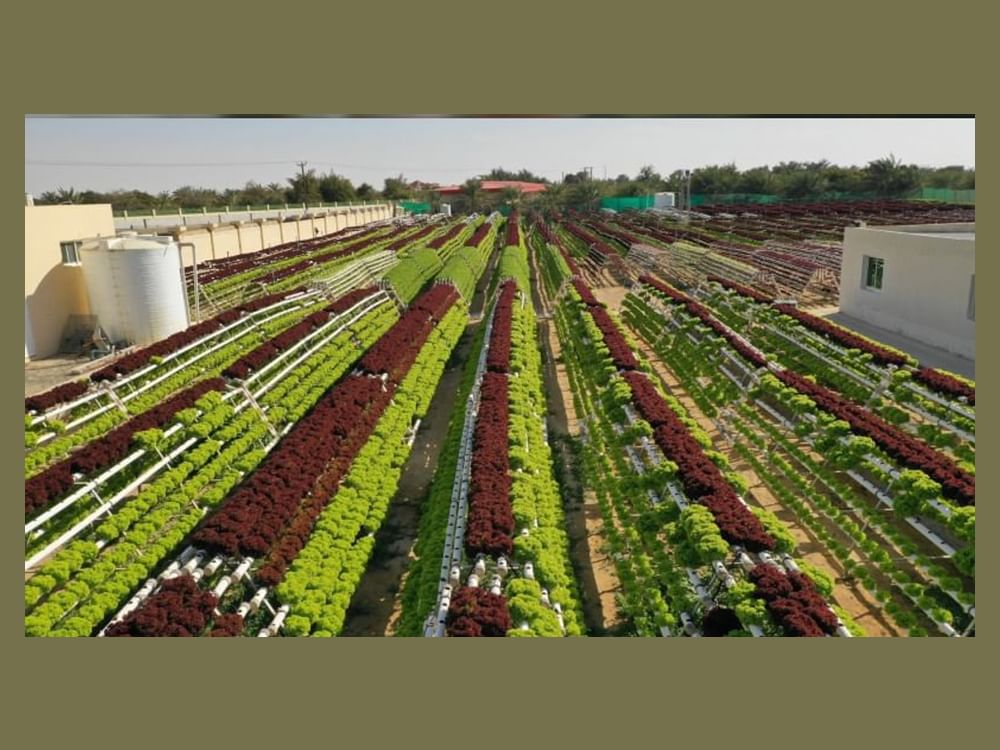
In agriculture, the National Agriculture Centre (NAC) and the Abu Dhabi Agriculture and Food Safety Authority (ADAFSA) launched the National Project for UAE Good Agricultural Practices (UAE GAP). The programme aims for 80 percent of local farms to achieve UAE GAP certification, raising production standards and improving prospects for export.
Complementary programmes include the National Agricultural Initiative for the Adoption of Climate-Smart Crops, designed to diversify the national food basket and reduce import reliance, and the Sustainable Product initiative, which targets increasing the share of locally produced agricultural and livestock items used by the UAE’s restaurant and hotel sector to 25 percent.
On industry, the federal government has approved an AED1 billion National Industrial Resilience Fund to support localisation of critical sectors, fortify supply-chain resilience and accelerate the application of artificial intelligence across production, operations and planning. The Ministry of Industry and Advanced Technology’s Factory Forward UAE brings multiple industrial technology transformation programmes under a single framework; programmes within this ecosystem have supported more than 700 factories, while over 620 have been assessed through the Industrial Technology Transformation Index (ITTI).
National programmes to prioritise UAE-made goods have been expanded. The National In-Country Value Programme has been broadened and made mandatory in selected sectors to channel government and institutional demand towards national products. Platforms such as Make it in the Emirates seek to connect investors and manufacturers with domestic production opportunities, while ADNOC’s Local+ gives greater priority to UAE-manufactured goods across its projects.
Efforts to retain higher-value activity include the launch of the Al Taweelah aluminium recycling plant in Abu Dhabi — the UAE’s largest — with an annual capacity of 185,000 tonnes to process scrap into lower‑carbon, high‑quality aluminium products for local industry.
Taken together, these measures indicate a sustained, technology‑enabled push to build a production base capable of meeting domestic demand and expanding into international markets.