
Bin Bayyah: Peace requires sustained investment and institutional action
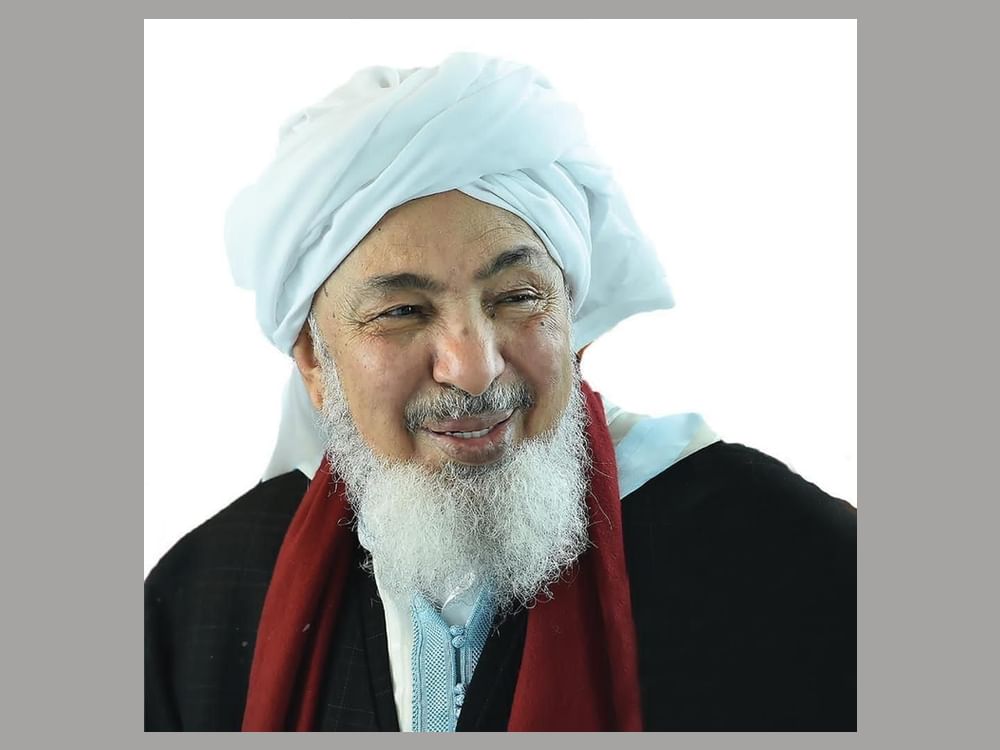
Abdullah bin Bayyah, chairman of the Abu Dhabi Forum for Peace, says peace must be treated as a daily duty and turned into a durable public and private endeavour — a ‘peace economy’.
Peace as a daily priority, not an annual observance
Abdullah bin Bayyah, Chairman of the Abu Dhabi Forum for Peace, urged that peace be elevated from occasional commemoration to an everyday ethical and strategic responsibility. Speaking on the International Day of Peace, observed on 21 September under the United Nations theme “Invest in Peace: For Everyone, Everywhere, Every Day,” he said the theme demands moving peace from the margins of aspiration to the centre of policy and practice.
Bin Bayyah stressed that genuine commitment to peace requires sustained investment and institutional continuity, rather than sporadic appeals. From his experience with the Abu Dhabi Forum for Peace, he argued that building and maintaining peace depends on long-term vision, scholarly foundations, robust institutions and partnerships that transmit values to future generations.
Building a peace economy and addressing root vulnerabilities
Central to his message was the concept of a “peace economy”: directing public resources and private capital towards activities that make stability productive and shared prosperity possible. He identified priorities such as job creation, education, infrastructure, food and water security, and expanded trade as areas where investment can reduce the vulnerabilities that fuel conflict and make peace an asset for development rather than a temporary truce.
Bin Bayyah warned of a modern paradox: remarkable scientific and technological progress has coincided with renewed conflict and a growing gap in human connection despite greater capacity for communication. For him, addressing that paradox requires turning peace into an industry supported by policy frameworks, research, institutions and knowledge-based programming.
He said the Abu Dhabi Forum’s work demonstrates how sustained institutional action can translate the aspiration for peace into measurable impact. That requires a combination of ideas and implementation — moving from moral appeal to construction and from concept to consequence.
The UAE model: domestic cohesion and international engagement
Bin Bayyah said the Forum draws inspiration from the UAE’s founding vision under the late Sheikh Zayed bin Sultan Al Nahyan and its continuation under President Sheikh Mohamed bin Zayed Al Nahyan. He highlighted the UAE approach as one that couples authenticity with openness, and peace with justice.
Domestically, that approach combines investments in people and infrastructure with promotion of moderation, tolerance, coexistence and inclusive citizenship. Internationally, it is expressed through bridge-building, humanitarian relief, mediation and conflict-resolution efforts, he added, offering a practical model for linking peace, recovery and prosperity.
Source: WAM