
ADEK to expand Al Ghad Nurseries to 12,000 seats across Abu Dhabi by 2029
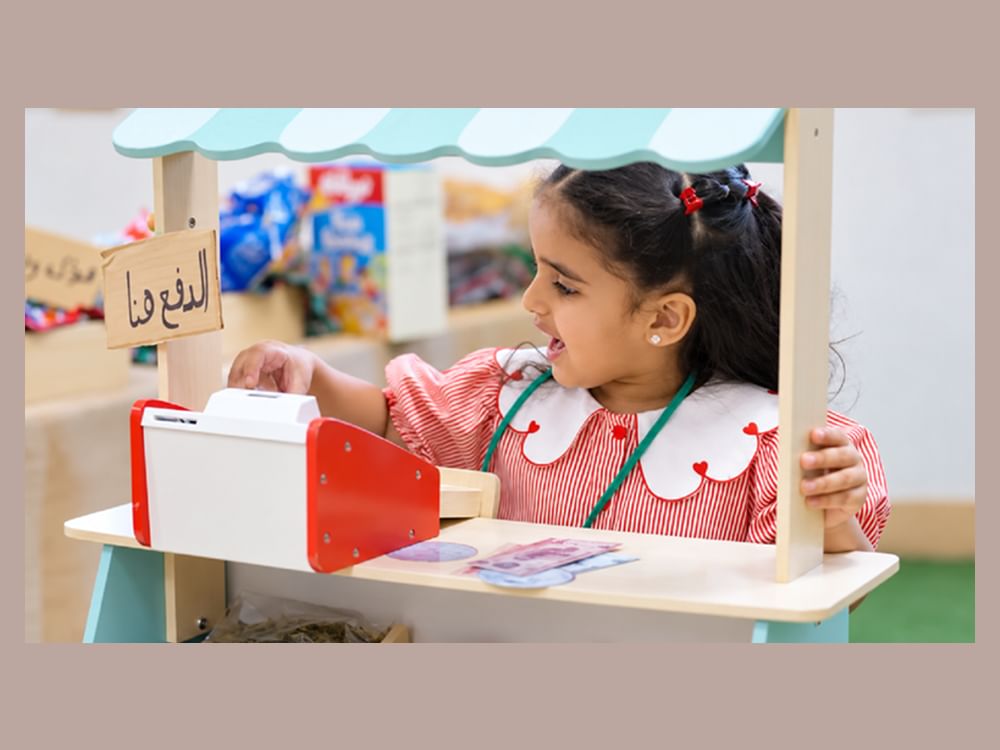
The Abu Dhabi Department of Education and Knowledge will increase places for two‑ to four‑year‑olds across Abu Dhabi, Al Ain and Al Dhafra, prioritising Emirati children and subsidised early education.
Planned expansion and timeline
The Abu Dhabi Department of Education and Knowledge (ADEK) has announced a phased expansion of its Al Ghad Nurseries network, increasing capacity to 12,000 seats by 2029. The programme will develop additional places for children aged two to four across the emirate, with new nurseries prioritised in areas that have a high concentration of Emirati children in Abu Dhabi city, Al Ain and Al Dhafra.
Curriculum and early‑years objectives
Al Ghad Nurseries provide an early learning environment grounded in the Arabic language, Emirati culture, national identity and UAE values. ADEK says the nurseries are designed to support children’s cognitive, social and emotional development during a critical stage of growth, and to identify developmental or learning needs early so that targeted support can be introduced when it can have greatest effect.
Outcomes to date
Early results from the programme indicate measurable benefits. ADEK reports that 94 per cent of participating children have reached targeted Arabic‑language readiness levels. Developmental screenings have identified pupils who require additional support; following interventions, 76 per cent of those children showed measurable progress.
Eligibility, fees and exemptions
Al Ghad Nurseries currently operate across Abu Dhabi and Al Ain and are open to UAE Nationals and to children of Emirati mothers who live within the designated catchment areas for each nursery. Priority access is given to the children of working mothers. As part of the expansion, eligible families will be able to enrol children for a nominal fee of AED800 per month. Exemptions will apply to low‑income families registered with the Social Support Authority, children requiring additional support, the fifth child in families with five or more children, and to children of working mothers who do not have domestic help.
Workforce and community impact
The expansion is also intended to create career opportunities for Emirati women in early childhood education. ADEK aims to generate more than 1,000 additional roles supported by training and professional development pathways. Increasing the number of Emirati educators in nurseries is expected to strengthen Arabic language development and the transmission of national values during the formative years, while supporting family wellbeing and school readiness.
The initiative will be delivered in three phases through to 2029, as ADEK extends access to subsidised, early childhood education across the emirate.
Source: WAM