
Sharjah Social Empowerment Foundation Deploys Advanced Analytics to Refine Support Strategy
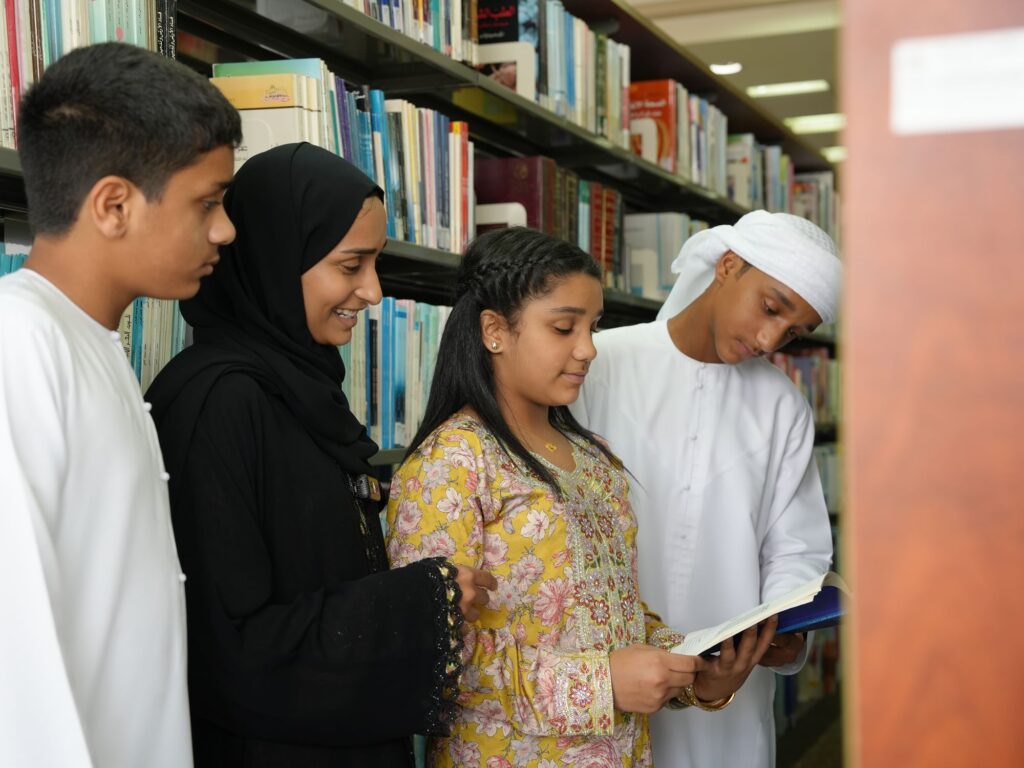
The foundation has implemented the ABC methodology to analyse and classify beneficiary families, enabling more targeted resource allocation and enhanced social impact across its programmes.
The Sharjah Social Empowerment Foundation (SSEF) has introduced a sophisticated analytical framework designed to optimise the delivery of social services and strengthen institutional decision-making. The ABC methodology categorises beneficiary families according to their needs, enabling the foundation to direct resources with greater precision and equity towards vulnerable populations.
This strategic initiative reflects the foundation’s commitment to evidence-based practice, replacing intuitive approaches with data-driven analysis across multiple dimensions. The framework evaluates families across economic, social, health and educational indicators, including income levels, employment status, housing conditions, health circumstances, educational attainment and loss circumstances, creating a comprehensive classification model that prioritises interventions according to actual need.
Mona bin Hadda Al Suwaidi, Director-General of the Sharjah Social Empowerment Foundation, described the implementation as a watershed moment for institutional effectiveness. “The application of the ABC methodology represents an important strategic step towards enhancing the efficiency of institutional work and developing a social support system based on actual needs,” she stated, emphasising how the approach facilitates deeper understanding of affiliated families’ circumstances whilst enabling more transparent and equitable resource distribution.
The initial analysis encompassed 1,176 families, yielding significant insights into service requirements. Category A, comprising the most vulnerable families, included 743 households representing 63.2 per cent of the total, with an estimated financial need of 120 million dirhams. Category B, representing moderate need, encompassed 426 families (36.2 per cent) requiring approximately 90 million dirhams in support, whilst Category C contained seven families (0.6 per cent) with minimal need and estimated costs of 83,000 dirhams.
This granular analysis provides the foundation with unprecedented clarity regarding resource priorities and allocation efficiency. By identifying that the vast majority of beneficiaries fall within the highest-need category, the foundation can now concentrate its substantial resources where they will generate maximum impact, whilst simultaneously maintaining appropriate support across all categories.
The implementation reflects broader institutional transformation towards data-driven decision-making and sustainable developmental impact. Rather than perpetuating traditional care models, the foundation increasingly emphasises empowerment and self-reliance, supporting beneficiaries’ journeys towards independence and active societal participation. This philosophical shift, underpinned by analytical rigour, promises to create lasting intergenerational benefits.
The foundation continues developing measurement and strategic planning tools that support its mission to empower orphaned children and their families, transforming support into sustainable developmental outcomes that enhance quality of life and foster stability.
Source: WAM