
NYU Abu Dhabi Research Reveals How Pacific Climate Patterns Reshape Global Ocean Oxygen Levels
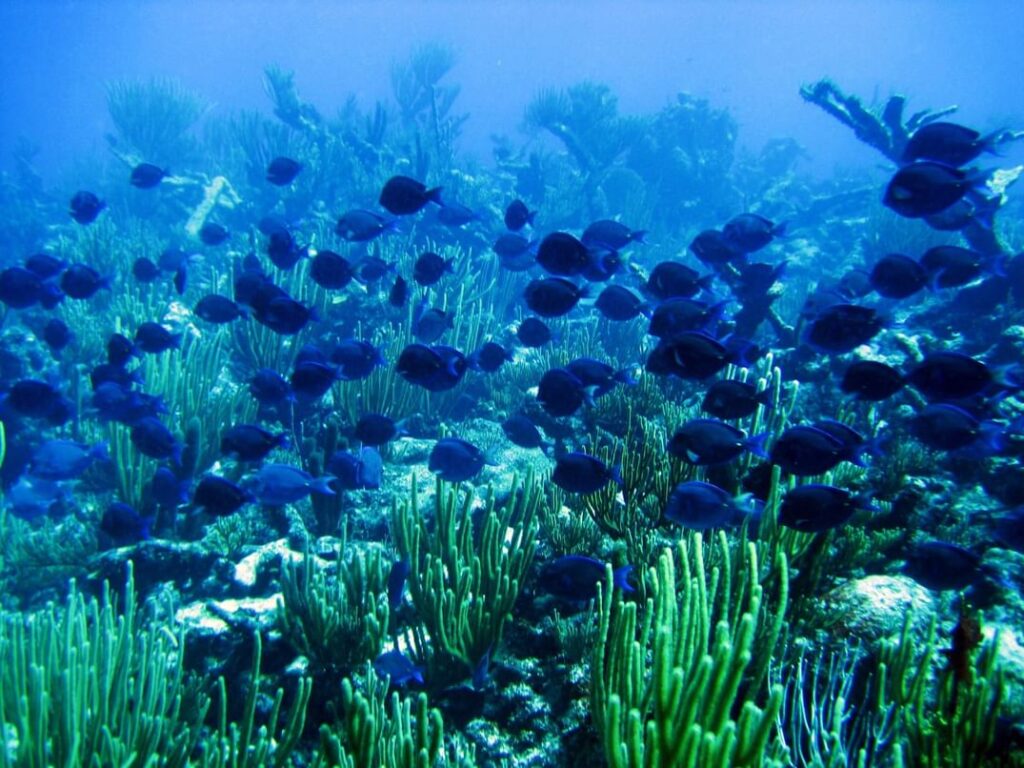
Groundbreaking study demonstrates that natural Pacific climate oscillations can rapidly alter marine habitats worldwide, with particular implications for regional fisheries in the Arabian Sea and Sea of Oman.
A significant new study from NYU Abu Dhabi has illuminated the intricate relationship between Pacific climate patterns and oxygen distribution throughout the world’s oceans. Published in Geophysical Research Letters, the research reveals that the Pacific Decadal Oscillation—a natural climate pattern operating on multi-year to multi-decade timescales—exerts measurable influence on oxygen levels across global waters.
The investigation, which examined nearly sixty years of global ocean observations, identified two distinct pathways through which Pacific climate conditions affect marine environments. Shallower waters respond comparatively swiftly to oscillations in the Pacific Decadal Oscillation, with oxygen levels potentially rising or falling within just a few years. These rapid shifts can substantially alter the boundaries of habitable zones for marine life, either expanding or contracting the spaces where marine organisms can thrive.
The deeper ocean layers, by contrast, respond more gradually to climate variability. These waters retain the accumulated effects of past climate conditions, exhibiting response delays of approximately a decade. This temporal lag means that current oxygen conditions in deeper waters reflect climatic influences from years prior.
Zouhair Lachkar, Senior Research Scientist at NYU Abu Dhabi, emphasised the practical significance of these findings: “The Pacific Decadal Oscillation can bring oxygen gains as well as losses. How quickly this climate pattern changes matters, because it can reshape the habitat available to marine life within just a few years.”
The research identified the North Indian Ocean as displaying the strongest relationship between Pacific climate patterns and oxygen fluctuations. This discovery holds particular relevance for the northern Arabian Sea and the Sea of Oman, regions where oxygen conditions directly influence fisheries that support local communities and economies.
The study further highlights a critical distinction between short-term variability and long-term trends. Natural climate oscillations can either temporarily obscure or significantly accelerate the broader phenomenon of ocean deoxygenation—the gradual loss of oxygen driven by climate change. Periods of rising oxygen levels do not necessarily indicate that long-term deoxygenation has ceased; rather, natural variability may be masking an underlying decline.
This nuance underscores the necessity for sustained, comprehensive monitoring of ocean conditions. As Lachkar notes, “Natural climate variability can conceal that decline or reinforce it, making sustained monitoring essential, even in waters far from the Pacific.” The implications extend beyond academic interest, affecting marine resource management and the communities dependent upon healthy ocean ecosystems throughout the Gulf region and beyond.
Source: WAM