
Emirates Palace Mandarin Oriental: Abu Dhabi’s Ceremonial Sanctuary by the Gulf
A Landmark Born from Architectural Ambition
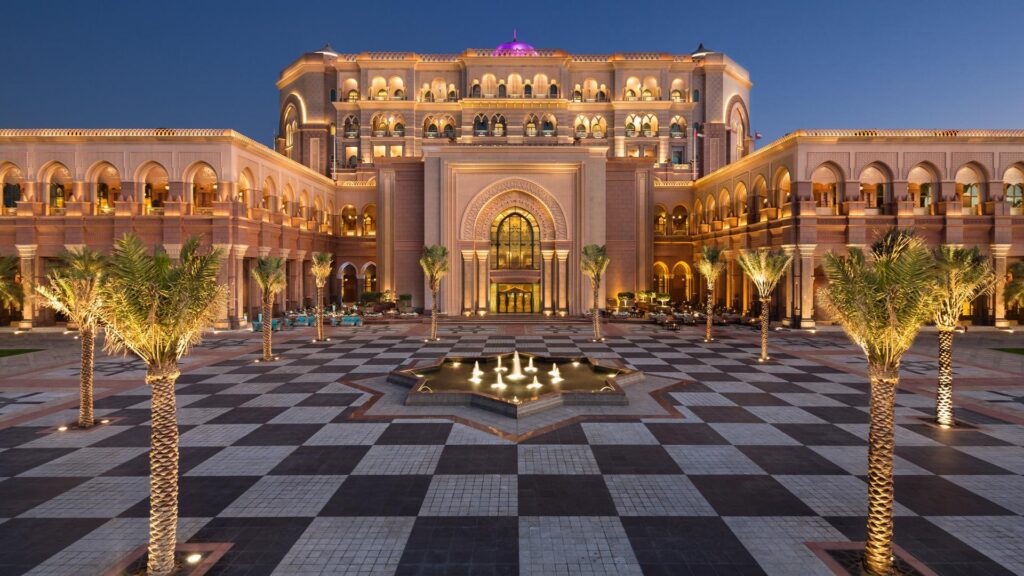
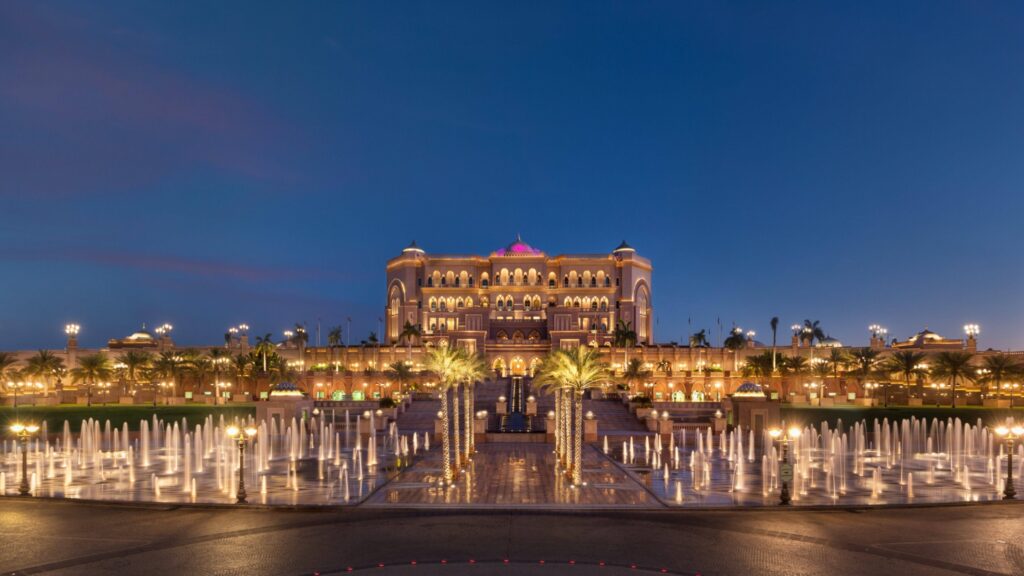
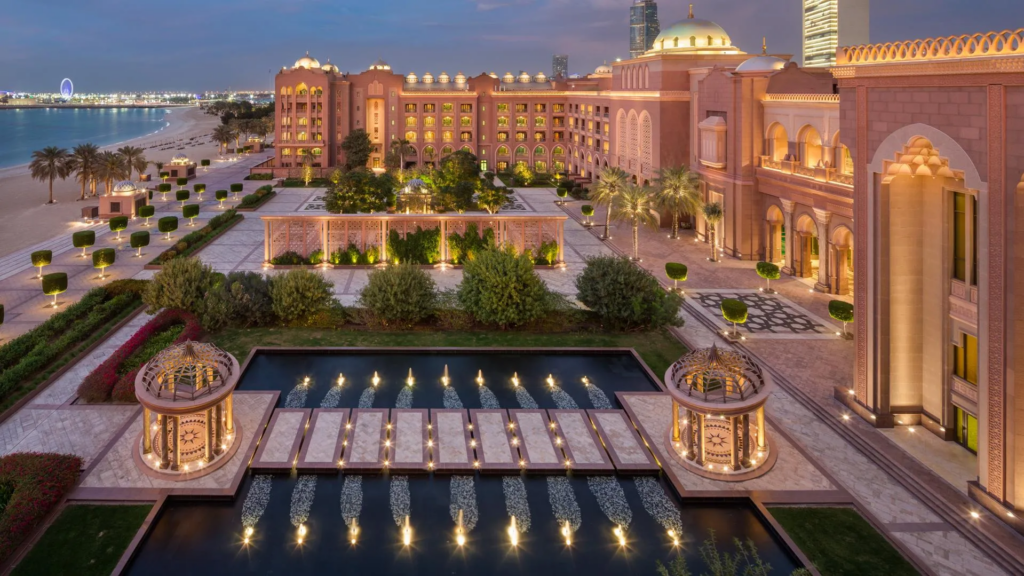
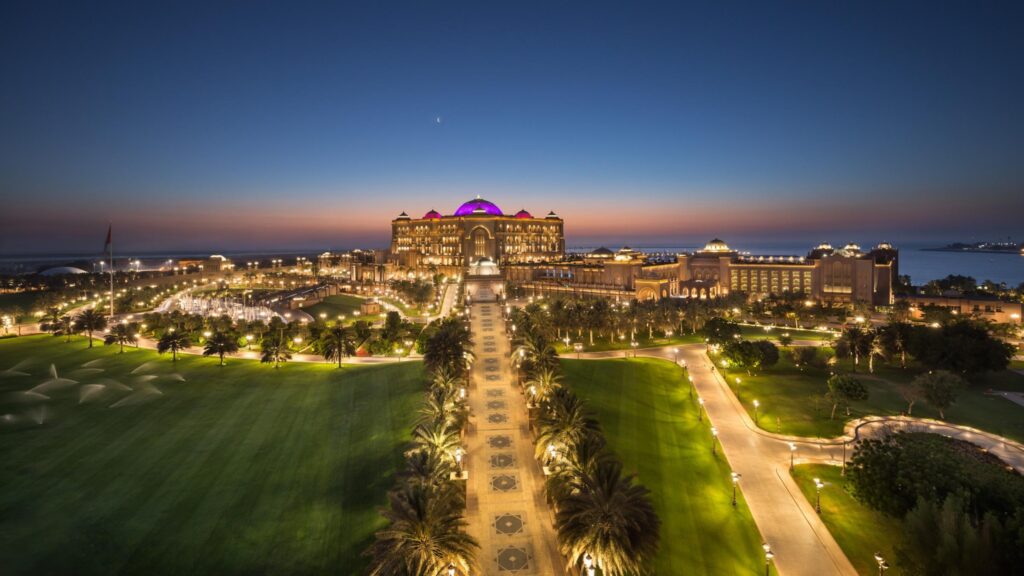
Emirates Palace opened in 2005 as one of the most ambitious hotel projects of its era, commissioned by the Abu Dhabi government to project permanence and prestige rather than momentary fashion. Rising at the western end of Abu Dhabi’s Corniche, mere moments from Qasr Al Watan and facing the Arabian Gulf directly, the palace transcends the conventional notion of resort or hotel. Its architecture draws upon classical Arabian and Islamic forms: rhythmic arches, monumental domes, intricate geometric detailing and expanses of stone in a palette that shifts between sand, rose and gold as the light moves across the façade. The scale is equally striking, with 85 hectares of gardens and grounds enveloping the property, whilst the beachfront extends for 1.3 kilometres along the Gulf’s edge.
Contemporary Luxury Within a Civic Icon
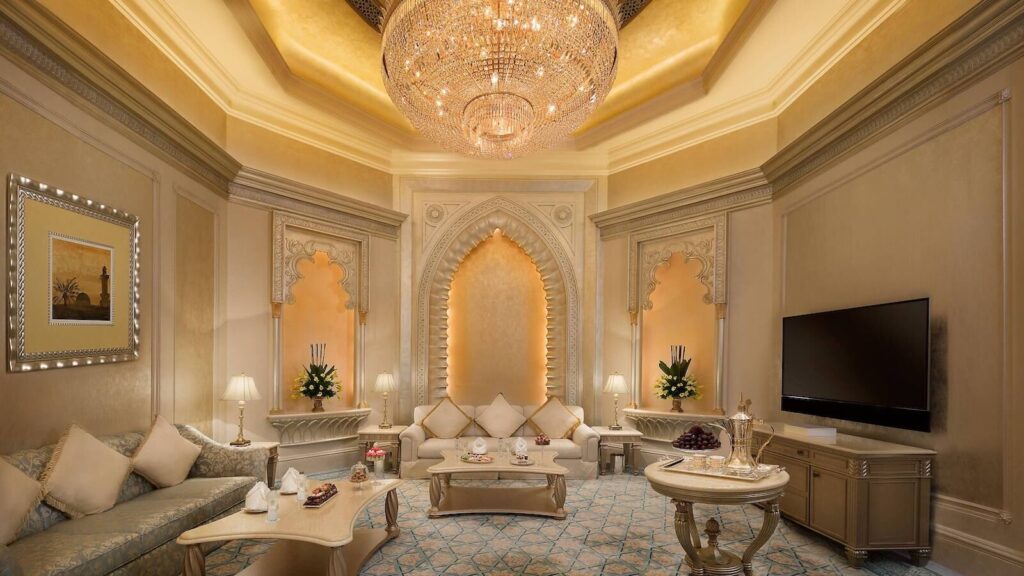
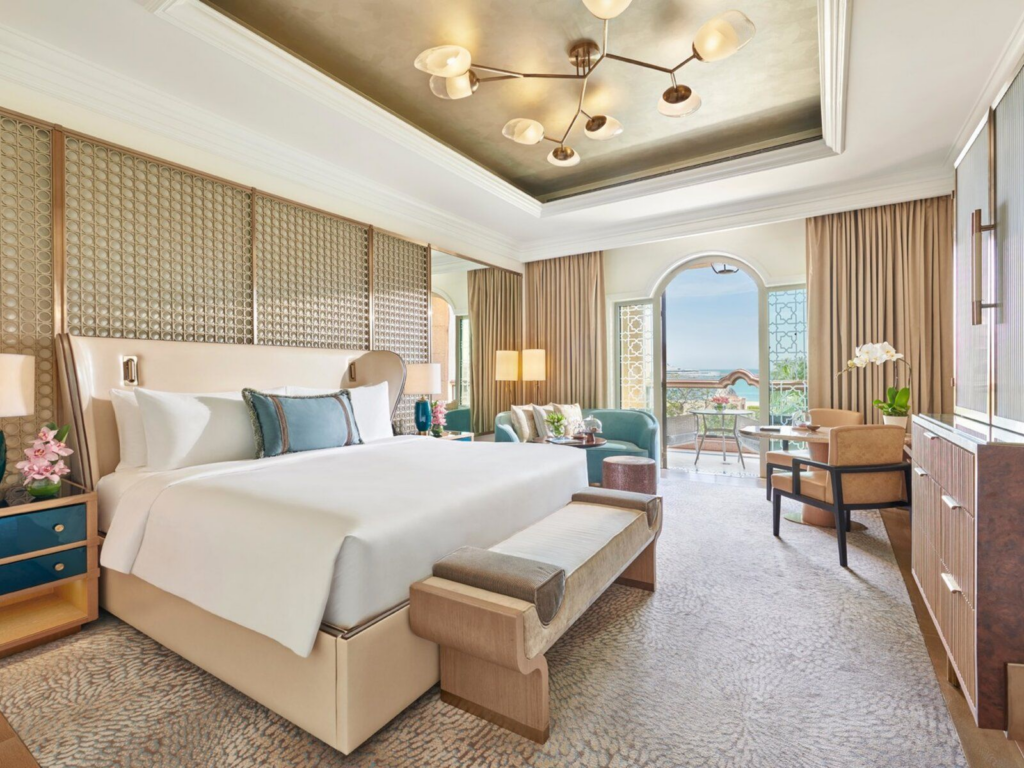
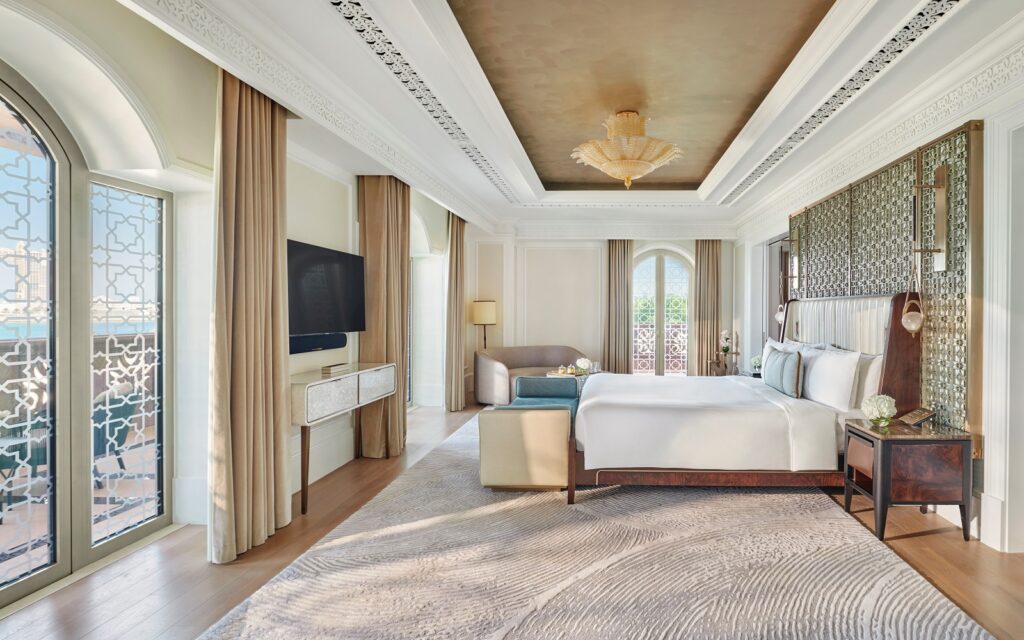
Mandarin Oriental now operates the property with a careful balance: the grand public spaces still deliver the ceremonial theatre expected of the address, whilst the accommodation has evolved toward a calmer, more residential expression of refined luxury. The hotel currently offers 390 rooms and suites, ranging from Deluxe City View, Garden View and Sea View rooms through to Beachfront, Panoramic Sea View, Palace and Royal Suites. Private balconies and terraces are a recurring feature throughout, as are marble bathrooms, custom designed furniture and contemporary Arabian details. The Panoramic Sea View Suite is designed around 180 degree Gulf vistas, whilst Palace Suites introduce generous reception spaces, majlis style living areas and dedicated 24 hour butler service designed for privacy and the most discerning guests.
Gastronomy as the Second Centre of Gravity
The hotel’s dining collection has become one of the most compelling reasons to visit, spanning 12 venues across an extraordinary range of cuisines and experiences. Talea by Antonio Guida brings the chef’s refined interpretation of Italian cucina di famiglia to Abu Dhabi, polished without formality and built around the generosity of family tradition. Hakkasan remains one of the city’s signature Cantonese dining rooms, its four private dining rooms and expansive terrace overlooking the palace grounds creating as much evening atmosphere as culinary pedigree. Strawfire by Ross Shonhan centres on Japanese warayaki, the dramatic technique of cooking over intensely hot straw flames, turning live fire into theatre. Martabaan offers contemporary Indian fine dining under the direction of chef Hemant Oberoi, whilst Lebanese Terrace draws inspiration from Lebanon’s coastal cuisine and makes the most of the resort’s outdoor setting for long, unhurried meals.
At the heart of the grand lobby, Episodes functions as a sequence of experiences, encompassing a Tea Apothecary, a Gourmet Deli and The Mandarin Cake Shop. Vendôme serves as the breakfast restaurant in a spacious indoor outdoor setting, whilst 24 hour in room dining remains available throughout the hotel.
The Leisure Estate and Its Expansive Amenities
The palace’s defining physical assets include a 1.3 kilometre private beachfront, two resort pools, watersports facilities and vast gardens extending across the grounds. The leisure programme remains unusually extensive for a city hotel, encompassing tennis and padel courts, more than six kilometres of jogging routes through the grounds, complimentary bicycles, football fields, luxury cabanas and two 24 hour fitness centres. The scale means visitors can spend several days within the estate without the experience becoming repetitive.
The Spa at Emirates Palace Mandarin Oriental spans approximately 1,500 square metres and blends Moroccan inspired rituals with Oriental wellness traditions and modern recovery treatments. Private treatment rooms, a traditional Moroccan hammam, steam rooms, Jacuzzis and heated marble create a comprehensive sanctuary. Two gyms operate 24 hours daily with Technogym equipment, whilst the wider programme encompasses yoga, Lagree fitness, padel, tennis and personalised recovery treatments.
A Palace Built for Occasions of Grandeur
The palace’s original ceremonial purpose remains evident in the scale of its event infrastructure, with approximately 7,000 square metres of meeting and conference space, more than 40 meeting rooms and six large terraces. The auditorium accommodates approximately 1,100 guests, whilst the Etihad Ballroom spans approximately 2,183 square metres and can be divided into three sections. Few hotels in the region can move as naturally from an intimate private dinner to a head of state scale gathering, making it an equally compelling address for weddings, state occasions and global events of consequence.
Abu Dhabi has transformed almost beyond recognition since Emirates Palace first opened, yet the palace has not become less relevant. This remains the place that represents the capital at its most ceremonial: vast lawns, fountains, domes, sea, marble and an approach to hospitality built around a profound sense of occasion. Mandarin Oriental has added sharper contemporary rooms, stronger wellness and a genuinely serious restaurant collection, yet the essential appeal endures. For visitors it is both hotel and landmark. For Abu Dhabi, it remains part of the city’s visual memory and architectural identity, a building conceived at an extraordinary scale and still capable of delivering the kind of spectacle that arrival here creates.
At a glance
Opened: 2005Reported construction cost: approximately US$3 billionCurrent accommodation: 390 rooms and suitesGrounds: approximately 85 hectaresPrivate beachfront: 1.3 kilometres (temporarily closed at time of writing; pools remain available)Dining: 12 venues, including Michelin starred Talea by Antonio Guida and HakkasanSpa: approximately 1,500 square metresMeetings and events: approximately 7,000 square metres, with more than 40 meeting roomsAddress: West Corniche Road, Abu Dhabi, United Arab EmiratesTelephone: +971 2 690 9000Website: mandarinoriental.com/en/abu-dhabi/emirates-palace
Information checked against current Mandarin Oriental pages accessed 24 August 2026. Historical opening and construction cost context cross checked against Gulf News, 3 October 2025. Operating hours, restaurant availability and beach access can change; readers should confirm directly with the hotel before travelling.