
MoHAP convenes 9th UAE International Conference on Antimicrobial Resistance
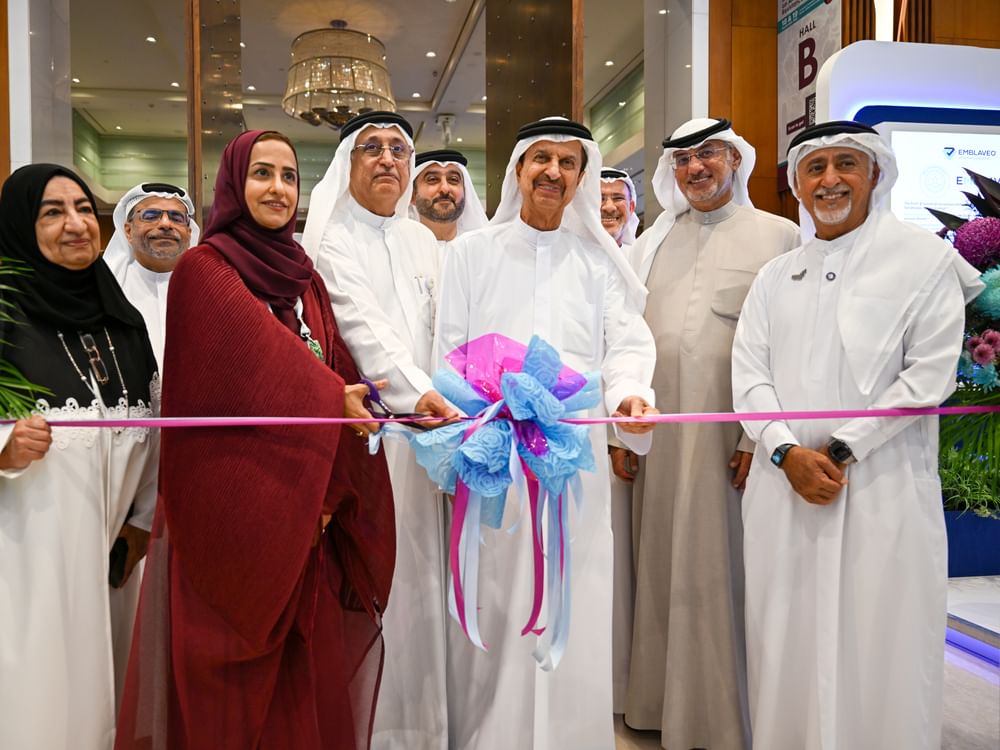
The Ministry of Health and Prevention and Emirates Health Services brought experts to Dubai to accelerate implementation of the UAE National Action Plan on Antimicrobial Resistance 2025–2031 under a One Health approach.
Conference overview
The 9th UAE International Conference on Antimicrobial Resistance opened in Dubai on 18 September 2026, organised by the Ministry of Health and Prevention (MoHAP) in cooperation with Emirates Health Services (EHS). The meeting assembled leading national and international specialists, including representatives from the World Health Organization and major academic and scientific institutions, to examine the latest scientific and therapeutic developments and to push towards sustainable, measurable responses to antimicrobial resistance (AMR).
Senior attendees included Hussain Alrand, Assistant Undersecretary for the Public Health Sector at MoHAP; Najiba Abdulrazzaq, Consultant in Internal Medicine and Chair of the National Committee for Antimicrobial Resistance; and Essam Alzarooni, Executive Director of the Medical Services Sector at EHS. The programme comprised roughly 35 lectures from 29 speakers, scientific and industry workshops, and a specialised exhibition featuring about 14 healthcare and medical organisations. Thirty research papers were selected from 77 submitted abstracts for presentation.
From policy to implementation
Delegates focussed on practical measures to translate national strategy into impact. MoHAP is now moving from policy development to implementation and impact measurement through the UAE National Action Plan on Antimicrobial Resistance 2025–2031, which adopts the One Health approach and seeks stronger cooperation across health, veterinary, agricultural, environmental and academic sectors.
Hussain Alrand emphasised progress in building an integrated infection prevention and control system through national governance, standardisation and enhanced monitoring. National guidelines and a programme to standardise practices across government and private healthcare facilities have been launched to reduce healthcare-associated infections and improve consistency of care.
Surveillance, stewardship and innovation
Speakers addressed advances in diagnostics, antimicrobial stewardship, infection prevention and control, and strengthened surveillance in microbiology and infectious diseases. Najiba Abdulrazzaq underlined the expansion of national surveillance efforts, launched in 2021, which now cover healthcare-associated infections with the participation of 272 healthcare facilities and ongoing training and research support.
Emirates Health Services described steps to support national goals through data-driven practice and digital innovation. EHS has deployed automated surveillance for healthcare-associated infections within electronic medical records and tools to identify patients at higher risk of sepsis, providing a foundation for wider use of artificial intelligence and predictive analytics in infection prevention.
The conference reflected a wider international shift towards emphasising implementation, accountability and measurable outcomes in the global response to AMR. Delegates highlighted the need for cross-sector collaboration, improved diagnostics, and investment in new treatments alongside stewardship and prevention to preserve existing antimicrobials and protect public health.
Source: WAM