
UAE Launches Pioneering Global Fire Incident Footprint Framework
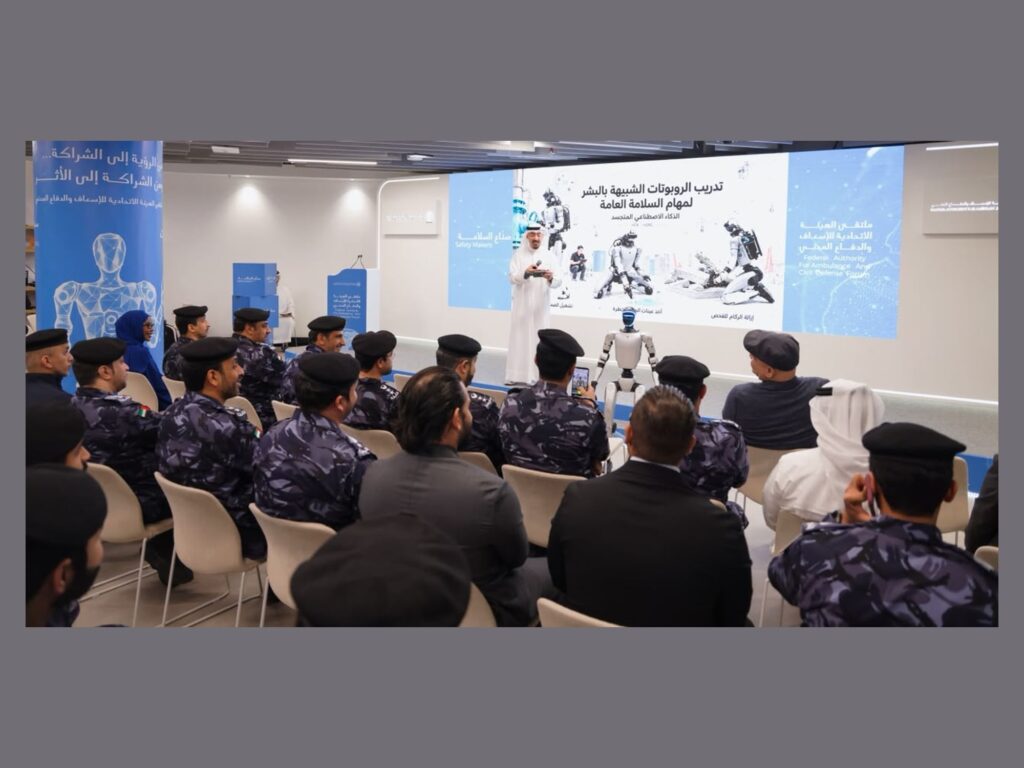
The Federal Authority for Ambulance and Civil Defence unveils an innovative methodology for comprehensively measuring fire impacts across economic, human, environmental and critical systems dimensions.
The Federal Authority for Ambulance and Civil Defence has unveiled the Global Fire Incident Footprint Framework, a sophisticated methodology developed through collaboration with more than 70 international leaders and experts. The framework represents a significant evolution in how fire incidents are measured and assessed, extending far beyond traditional operational metrics to encompass broader societal impacts.
Ahmed bin Ali Al Sayegh, Minister of Health and Prevention and Chairman of the Federal Authority for Ambulance and Civil Defence, underscored the UAE’s commitment to developing an integrated national system founded on preparedness and proactive capability. He emphasised that modern emergency response systems must move beyond swift incident containment to provide comprehensive understanding of fire impacts across people, society, the economy and the environment.
A Multi-Dimensional Assessment Approach
The framework operates across four integrated dimensions. The Economic Impact Footprint measures direct and indirect financial consequences; the Human and Environmental Footprint assesses health and ecological effects; the Critical Systems Footprint evaluates impacts on essential services and business continuity; and the Trust and Global Reputation Footprint examines public confidence and international perception.
This comprehensive methodology represents a departure from conventional operational indicators such as response times and incident containment duration. Instead, it provides a holistic lens through which to evaluate long-term consequences, including economic losses, health outcomes, environmental damage, service disruption and reputational implications for communities and nations.
Advancing Leadership and Innovation
The specialised forum also witnessed the launch of the 997 Leadership Programme, designed to cultivate leadership capabilities throughout the ambulance and civil defence system. Complementing this initiative, the Authority appointed artificial intelligence ambassadors across various entities to facilitate responsible and effective adoption of AI technologies within emergency response operations.
Strengthening its international academic partnerships, the Federal Authority signed a memorandum of cooperation with Georgetown University. This collaboration encompasses leadership development, crisis management, scientific research and capability building, leveraging academic expertise to advance emergency response systems and enhance organisational readiness.
Source: WAM