
Dubai Municipality Unveils Comprehensive Planning Guide for Shared Housing
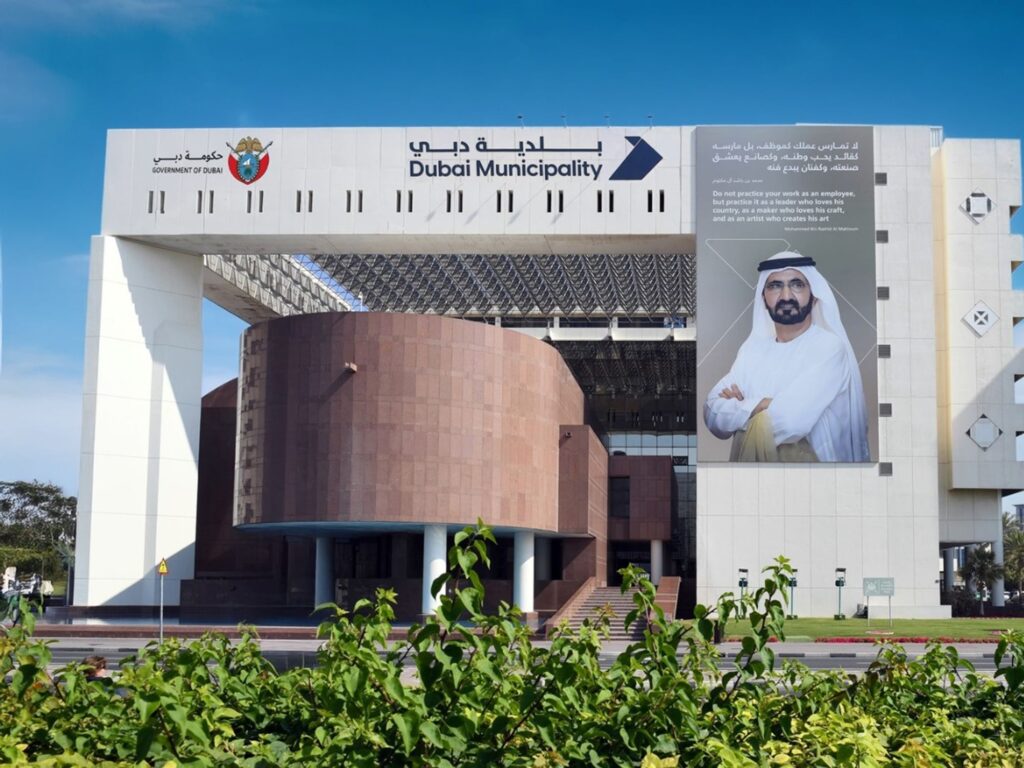
Dubai Municipality has released a detailed Planning and Building Requirements Guide to regulate shared housing across the emirate, establishing safety standards and occupancy frameworks that balance community needs with residential quality.
Dubai Municipality has issued a comprehensive Planning and Building Requirements Guide for Shared Housing and Permitted Areas, implementing Law No. (4) of 2026 Regulating the Occupancy and Management of Shared Housing in the Emirate of Dubai. This authoritative reference document establishes the requirements and standards governing shared accommodation throughout the emirate, prioritising quality, safety and the protection of residents’ rights and privacy.
The guide represents a significant advancement in Dubai Municipality’s commitment to developing the building and construction ecosystem. It embodies an integrated approach to implementing the legislation, beginning with awareness and guidance, enabling property owners and management companies to comprehend their obligations and assess their buildings’ compliance status. This structured framework helps reduce overcrowding and unregulated residential practices whilst safeguarding residents and enhancing community stability.
Maryam Al Muhairi, CEO of the Building Regulation and Permits Agency at Dubai Municipality, explained that the guide provides a clear reference encompassing planning, building, technical, health and public safety requirements. “Our objective in regulating shared housing is to raise awareness, strengthen oversight and promote compliance, whilst enabling the relevant parties to meet the requirements and regularise the status of their buildings in accordance with the approved frameworks, in a way that preserves the emirate’s urban and aesthetic character,” she stated.
Dubai Municipality has identified more than 44 approved areas to date where buildings may be designated for shared housing, including Al Souq Al Kabeer, Al Ras, Al Warqa 1, Al Barsha 1, Al Muraqqabat and Al Rigga, with additional areas to be announced upon approval.
The guide specifies rigorous standards for residential accommodation. Each building must be allocated to either individual or family accommodation. Individual units require a minimum bedroom area of five square metres per person, whilst family accommodation must provide separate bedrooms with en-suite bathrooms, ensuring enhanced comfort and privacy. Comprehensive requirements govern shared facilities including kitchens, sanitary facilities, dining areas, recreation spaces and laundry facilities, all aligned with public health and safety requirements and the Dubai Building Code.
Property owners and management companies have been granted a one-year period from the law’s effective date of 8 September 2026 to regularise buildings currently used for shared housing. However, this regularisation period does not exempt owners from addressing building violations, unauthorised changes of use or safety hazards, which must be rectified according to applicable requirements.
The framework benefits from integration between government entities through electronic connectivity with the Dubai Land Department and licensing authorities, enhancing efficiency in registering tenancy contracts. Prior to permit issuance, compliance with Dubai Civil Defence requirements regarding fire safety systems and Security Industry Regulatory Agency requirements for CCTV systems must be verified.
Permit issuance and renewal services are accessible through the Build in Dubai platform, streamlining access to these essential services for property owners and managers.
Source: WAM