
‘Education in the Service of the Family’ conference concludes in Abu Dhabi
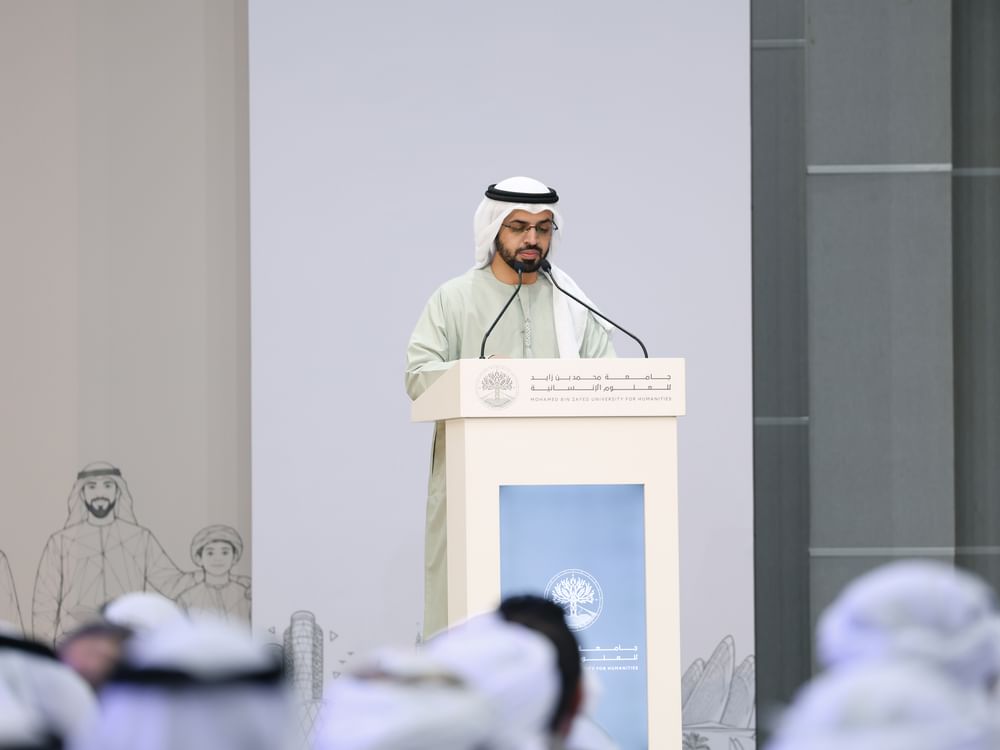
The Education Interface conference in Abu Dhabi called for closer integration between families and schools, proposing AI tools, new impact indicators and National Family Readiness reporting.
Three-day forum in Abu Dhabi
The “Education in the Service of the Family: From Vision to Impact” conference concluded in Abu Dhabi on 17 September after three days of discussions aimed at strengthening links between families and educational institutions amid rapid social and technological change. The event ran from 15 to 17 September under the patronage of Lt. General H.H. Sheikh Saif bin Zayed Al Nahyan, Deputy Prime Minister and Minister of Interior, and formed part of Education Interface 2026. It was organised by the Education Interface platform in cooperation with Mohamed Bin Zayed University for Humanities and coincided with the Year of the Family.
Focus areas and participants
Officials, academics, specialists and representatives of the public and private sectors explored themes including family empowerment, cooperation between homes and schools, national identity and Emirati values, digital parenting, future skills and the responsible use of artificial intelligence. The closing day’s keynote was delivered by Omar Habtoor Al-Darei, Chairman of the General Authority of Islamic Affairs, Endowments and Zakat and Deputy Chairman of the UAE Fatwa Council, who emphasised the family as the primary environment for upbringing and a source of psychological and social security.
Policy proposals and practical measures
Delegates agreed that educational institutions should complement, not replace, the family by enhancing parental awareness and enabling families to fulfil their responsibilities. Addressing the rapid digital transformation, speakers urged that modern technologies — particularly AI — be harnessed to strengthen communication between homes and schools and to support initiatives that serve both family life and the educational process.
Among the proposals put forward were the development of an indicator to measure the impact of curricula and school activities on family stability, national identity and values, and the use of AI to create digital platforms that integrate the roles of families and schools. Other suggestions included incentives for exemplary families and the issuance of periodic “National Family Readiness” reports to assess identity, intellectual resilience and young people’s ability to adapt to social and technological change.
Sessions and closing observations
The conference concluded with two specialised sessions. “Family and Education” addressed family support for children’s digital education, AI’s role in the educational system and key challenges in the digital age. “Family and Education: Reality and Challenges” examined the changing relationship between families and education and presented research on digitalisation, education and the family. Closing discussions stressed the need for stronger integration among families, schools and academic institutions, improved family awareness of emerging technologies and responsible use of AI to support education while preserving the complementary roles of both home and school.
Source: WAM