
FANR and Korea Institute of Nuclear Safety advance nuclear regulation through AI collaboration
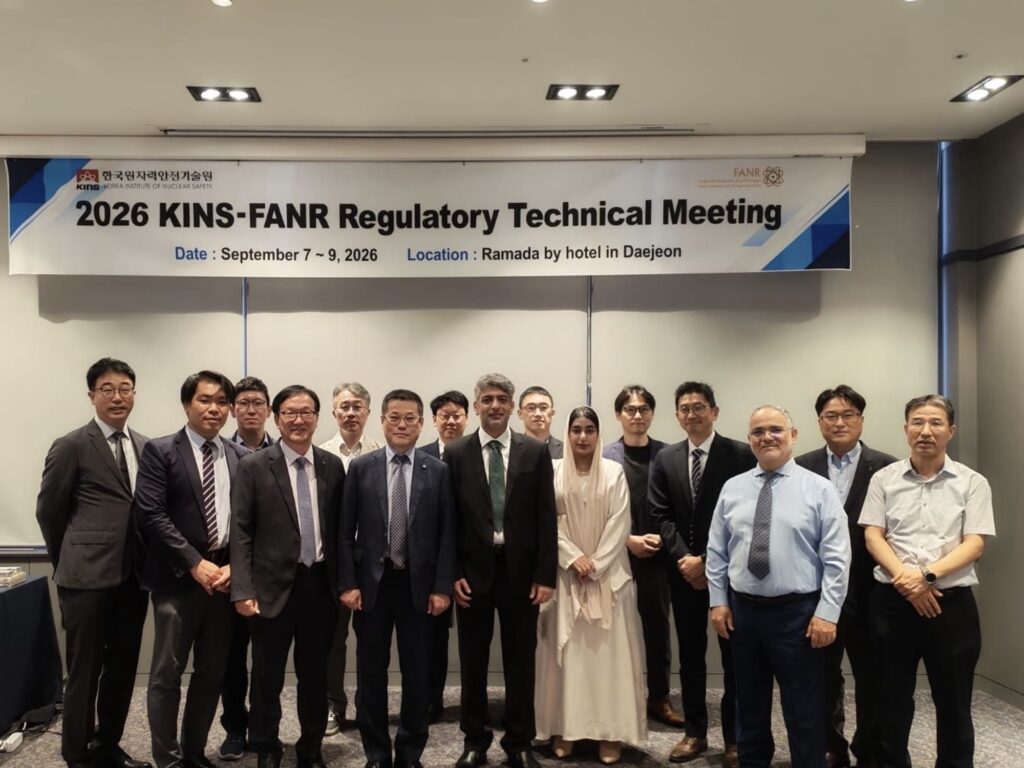
The Federal Authority for Nuclear Regulation has held its annual technical meeting with South Korea's nuclear regulator to explore artificial intelligence applications and strengthen international cooperation on emerging reactor technologies.
The Federal Authority for Nuclear Regulation (FANR) and the Korea Institute of Nuclear Safety (KINS) have convened their annual Regulatory Technical Meeting in Seoul, reinforcing a partnership dedicated to advancing nuclear safety standards and regulatory excellence. The gathering focused on deepening technical cooperation and fostering the exchange of expertise across a spectrum of nuclear governance challenges.
Artificial intelligence emerged as a principal theme of the discussions, with FANR presenting a range of prospective applications designed to enhance regulatory effectiveness. The Authority outlined how AI technologies could streamline licensing procedures, strengthen inspection protocols and improve knowledge management systems. These innovations aim to support FANR’s oversight responsibilities as the nuclear sector navigates increasingly sophisticated operational frameworks.
The Republic of Korea’s nuclear authority shared the nation’s extensive experience in safety research and its regulatory approaches to small modular reactors, emerging technologies that represent the future trajectory of nuclear energy development. This exchange reflects the mutual recognition that collaborative learning strengthens regulatory capacity across nations.
Rashid Al Hammadi, FANR’s Director of Nuclear Safety, underscored the UAE’s considerable achievements in nuclear regulation, highlighting the successful operation of the Barakah Nuclear Power Plant and FANR’s comprehensive oversight of its four operational units. He also articulated the Authority’s commitment to risk-informed regulation and its methodical approach to assessing proposed modifications to refuelling cycles, ensuring consistent compliance with rigorous nuclear safety standards and spent fuel management protocols.
The meeting demonstrated the enduring strength of the bilateral relationship between the UAE and the Republic of Korea, with comprehensive discussions encompassing developments within both nations’ nuclear sectors, safety research initiatives, advanced reactor technologies and strategies to enhance regulatory capabilities. The engagement builds upon cooperation established in 2010, establishing a foundation of sustained partnership.
Looking forward, FANR and KINS have identified promising opportunities for joint research endeavours, collaborative training programmes and structured knowledge exchange initiatives. These undertakings are designed to strengthen technical expertise among regulatory professionals and support effective oversight as nuclear technologies continue to advance and evolve.
Source: WAM